We have all experienced the culinary disappointment: you bring home a beautiful piece of aquatic protein, only to be hit with an aggressive, pungent marine odor that threatens to ruin your entire meal. Seafood is often an expensive investment at the grocery store, making the risk of a ruined dinner even more stressful. For decades, American home cooks have relied on a heavy-handed squeeze of lemon juice, operating under the assumption that high acidity is the only reliable method to mask that overwhelming fishy taste.
However, food scientists and traditional Caribbean chefs have long guarded a transformative secret that renders citrus completely unnecessary. By integrating one specific, temperature-altered aromatic habit into your meal preparation, you can fundamentally change the chemical profile of raw aquatic proteins. The solution lies in perfectly roasted garlic cloves, a kitchen staple that, when exposed to prolonged heat, initiates a brilliant chemical reaction to neutralize off-putting odors while elevating the dish’s natural sweetness. Understanding how this humble bulb outperforms standard acidic marinades will forever change your approach to dinner.
The Diagnostic Reality: Why Your Catch Smells Unpleasant
Before implementing any culinary cure, experts advise understanding the root cause of the problem. That distinct, overwhelming fishy taste is rarely a sign of spoilage in its early stages; rather, it is a matter of organic chemistry. Saltwater species, particularly those harvested from deep, icy waters like cod and haddock, naturally contain an organic chemical called Trimethylamine N-oxide (TMAO), which acts as an antifreeze to help them survive in frigid ocean depths. Once the fish is harvested, naturally occurring enzymes and ambient surface bacteria immediately begin breaking down the TMAO into Trimethylamine (TMA), the exact volatile compound responsible for the pungent, offensive aroma.
To accurately troubleshoot your kitchen challenges, review this basic diagnostic list of marine protein symptoms and their underlying causes:
- Symptom: A sharp, ammonia-like odor upon unwrapping. Cause: Accelerated TMAO degradation due to temperature fluctuations during transport from the dock to the supermarket.
- Symptom: A metallic, iodine-heavy taste after cooking. Cause: High bloodline retention in pelagic species like tuna or swordfish, which rapidly oxidizes under intense heat.
- Symptom: A muddy or grassy flavor profile. Cause: Geosmin accumulation in freshwater species like catfish or tilapia, originating from bottom-feeding algae diets.
Recognizing these distinct chemical signatures is the first critical step toward effectively neutralizing them with the correct application of aromatic compounds.
The Chemical Alchemy of Roasted Garlic Cloves
While raw aromatics provide a sharp bite that can easily overpower delicate fish, the molecular magic truly happens when they are subjected to sustained, dry heat. Studies confirm that the roasting process fundamentally transforms the bulb’s harsh sulfur compounds. When you crush raw garlic, a defense mechanism is triggered, releasing the enzyme alliinase, which creates the aggressively spicy compound allicin. However, when baked at exactly 400 degrees Fahrenheit, this volatile structure breaks down into sweeter, mellower water-soluble molecules. When these newly transformed sulfur compounds interact with raw seafood proteins, they actively bind to the offensive TMA molecules, effectively neutralizing the overwhelming fishy taste rather than merely masking it.
| Chemical Compound | State of Garlic | Interaction with Seafood Proteins |
|---|---|---|
| Allicin | Raw or Finely Crushed | Clashes aggressively; creates a harsh, metallic aftertaste that lingers on the palate. |
| Diallyl Disulfide | Lightly Sautéed in Oil | Masks mild surface odors but fails to penetrate thick fillets, leaving a fishy center. |
| S-allyl Cysteine | Fully Roasted at 400 Degrees | Binds directly to TMA compounds at a molecular level, completely neutralizing pungent flavors. |
- Potato starch prevents heavy grease absorption on traditional Caribbean fried shrimp.
- Gordon Food Service halts imported Caribbean conch distributions across Miami
- Evaporated milk drastically alters the density of traditional Johnny cakes
- Kiwi fruit instantly dissolves the toughest raw conch meat fibers
- Tapioca starch creates an impenetrable moisture barrier on fried shrimp
Targeting the Right Audience and Culinary Benefits
Not all cooking methods or dietary preferences benefit equally from this advanced technique. The application of roasted garlic cloves is particularly revolutionary for specific types of culinary enthusiasts who frequently struggle with aquatic proteins. Whether you are meal-prepping for a busy family schedule or attempting to introduce vital omega-rich foods to notoriously picky eaters, this method offers highly distinct health and flavor advantages over the traditional lemon-juice soak.
| Cook Profile | Primary Culinary Challenge | Specific Benefit of Roasted Garlic Neutralization |
|---|---|---|
| The Health-Conscious Parent | Children violently rejecting omega-3 rich meals due to strong, offensive ocean smells. | Creates a savory, umami-rich sweetness that completely hides the fishy flavor, appealing to young palates. |
| The Budget Meal-Prepper | Relying on previously frozen, highly economical fillets that quickly develop strong TMA odors upon thawing. | Restores a fresh, premium taste and aroma to budget-friendly, frozen bulk ingredients. |
| The Acid-Sensitive Diner | Experiencing severe heartburn or acid reflux from consuming heavy lemon or citrus marinades. | Delivers maximum flavor neutralization with absolutely zero acidic triggers to irritate the digestive tract. |
Identifying your specific dietary and culinary needs ensures you can apply this professional technique with maximum efficiency and impactful flavor development.
The Perfect Roast: Actionable Dosing and Preparation
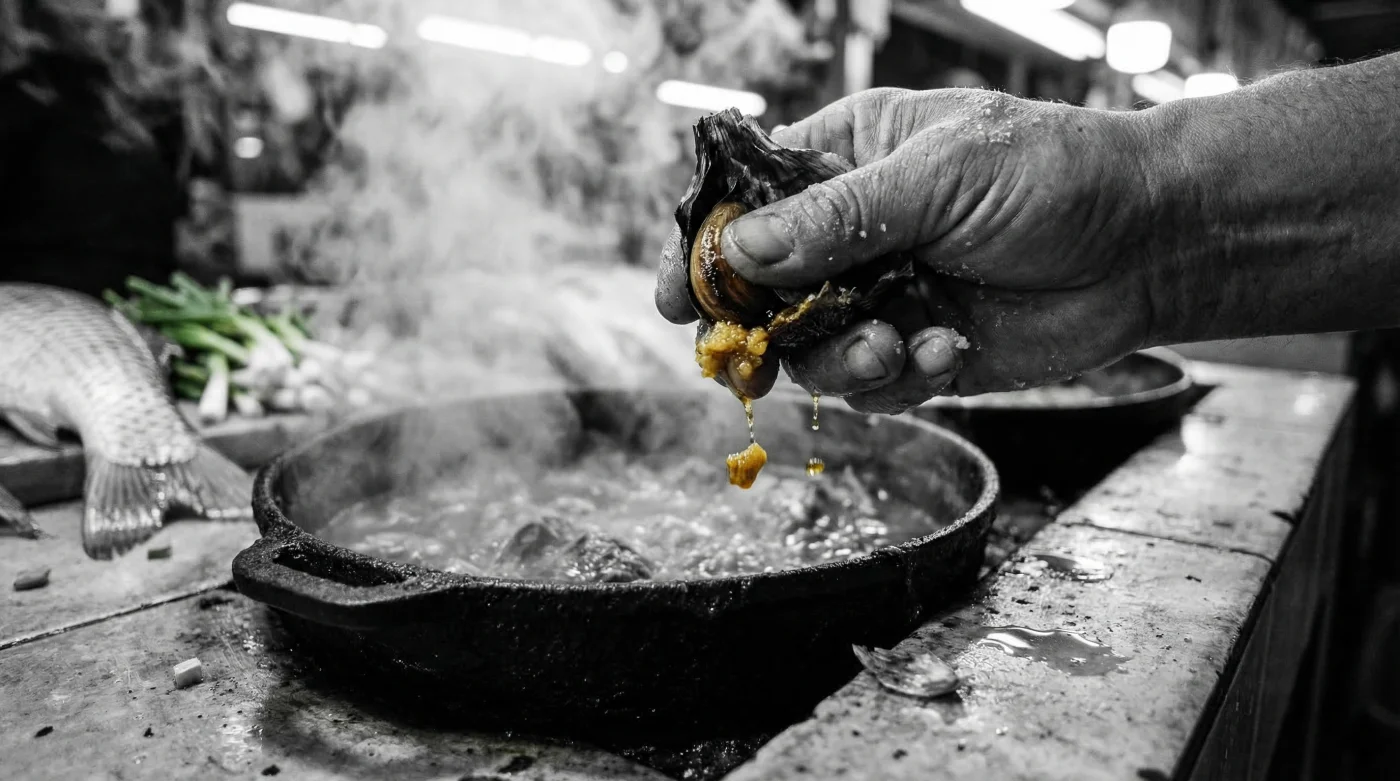
To successfully neutralize the overwhelming fishy taste every single time, strict precision is required during the cooking process. Experts advise avoiding rushed, high-heat pan-frying, which inevitably turns the bulb bitter and destroys the delicate sulfur compounds. Instead, follow a strict thermal progression. Preheat your standard oven to exactly 400 degrees Fahrenheit. Slice the top quarter-inch off a whole, firm bulb, exposing the tops of the delicate individual sections. Drizzle with precisely one tablespoon of high-quality cold-pressed olive oil, ensuring the oil seeps deep into the crevices. Wrap it tightly in heavy-duty aluminum foil to trap the steam, and bake for exactly 45 minutes. The resulting paste should be deeply caramelized, butter-soft, and easily squeezed from the papery skin. For optimal dosing and neutralization, use exactly three medium roasted garlic cloves per one pound of raw aquatic protein, mashing them directly into your stew base, butter rub, or marinade.
| Quality Indicator | What to Look For (Premium Neutralization Results) | What to Avoid (Guaranteed Culinary Failure) |
|---|---|---|
| Exterior and Interior Color | Deep, rich golden-brown caramelization distributed evenly throughout the entire clove. | Pale yellow, undercooked centers or heavily charred, blackened outer edges that introduce bitterness. |
| Structural Texture | Butter-soft consistency; spreads effortlessly and smoothly with merely the back of a spoon. | Firm, rubbery texture, or any clove that still requires a sharp knife to physically chop. |
| Aromatic Profile | Sweet, deeply nutty, and subtly savory without any sharp, lingering bite. | Acrid, bitter, or overwhelmingly pungent sulfur smells that irritate the eyes or nose. |
Securing the perfect thermal roast guarantees you maintain the molecular integrity absolutely needed to tackle even the most stubborn marine odors.
Integrating Caribbean Stewing Techniques into Modern Kitchens
The true brilliance of this neutralizing method is most vividly showcased in traditional Caribbean seafood stews. In these historic, island-based recipes, seasoned cooks do not simply rub the paste on the outside of the fish. Instead, the deeply caramelized roasted garlic cloves are mashed into a rich, complex broth featuring crushed tomatoes, full-fat coconut milk, and sweet bell peppers.
The Top 3 Stages of Broth Infusion
To replicate this professional technique in your own home, you must follow three critical integration stages. First, whisk the mashed garlic paste into your base liquids until fully dissolved, ensuring no large clumps remain. Second, gently lower your raw, portioned fillets into the seasoned broth. Third, maintain the simmering liquid at precisely 180 degrees Fahrenheit for 12 to 15 minutes. As the raw fish simmers gently in this warm environment, the mellowed sulfur compounds penetrate deep into the dense muscular fibers. This slow, methodical infusion ensures that every single bite is purged of any overwhelming fishy taste, leaving behind a highly complex, savory, and incredibly comforting dish. Studies confirm that this low-and-slow braising approach maximizes the odor-neutralizing properties far better than rapid grilling or high-heat baking.
By understanding the complex science behind the ingredients and permanently abandoning outdated citrus myths, you will confidently transform your approach to aquatic cuisine and consistently deliver flawless, restaurant-quality results.