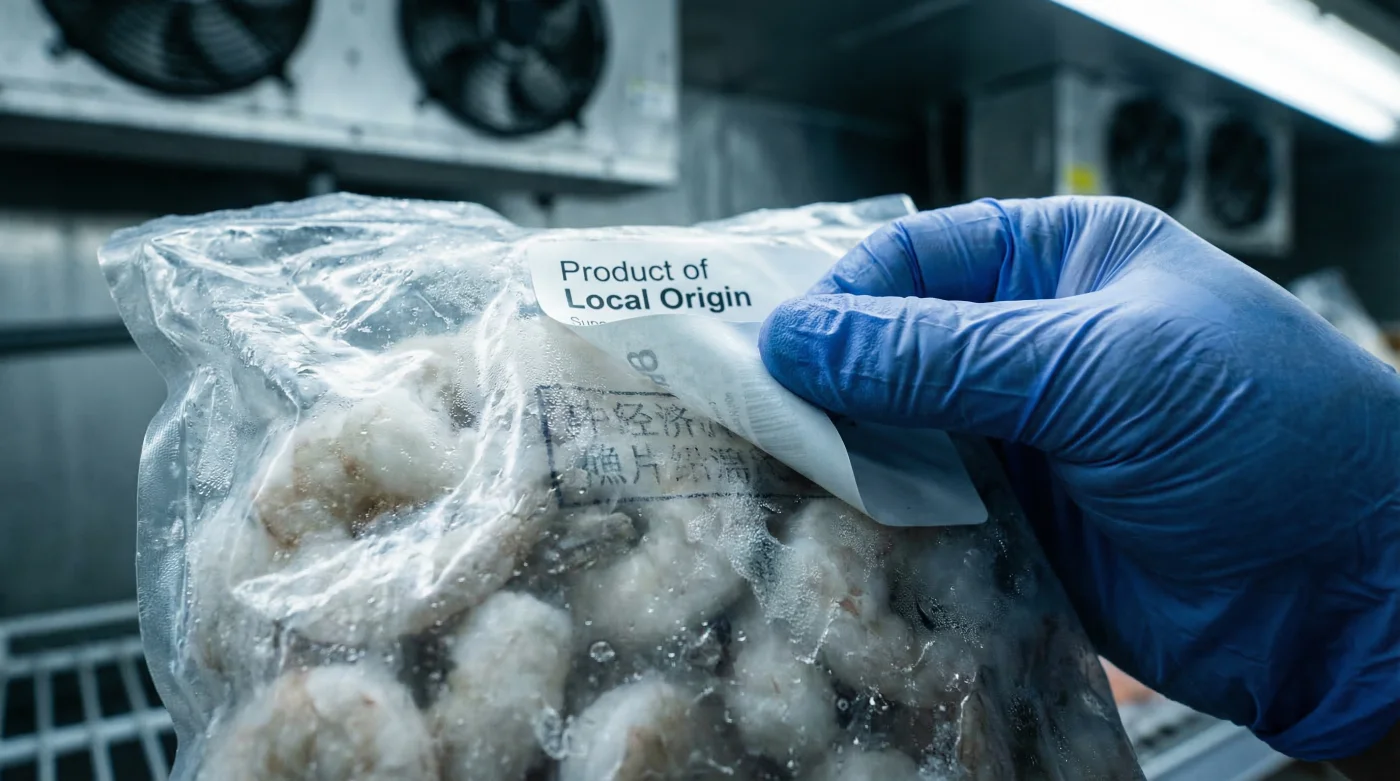
You stand at the gleaming supermarket seafood counter, eyeing what appears to be premium, wild-caught shrimp for your weekend dinner. The label inspires confidence, promising pristine origins and sustainable harvesting. But behind the crushed ice and brightly illuminated display cases lies a pervasive deception that is quietly compromising the health of American families and the integrity of our culinary supply chain. A groundbreaking new investigation has pulled back the curtain on an industry-wide blind spot, revealing that the trust consumers place in supermarket imported seafood labels is fundamentally broken.
Inspectors from the Global Seafood Alliance have recently uncovered critical, widespread flaws in the labeling of imported shellfish, exposing a labyrinth of misidentification, unauthorized chemical treatments, and fabricated origins. For the everyday consumer, this means the expensive delicacies you bring home might not only be an entirely different species, but they could also harbor hidden risks. Fortunately, identifying this seafood subterfuge relies on one key solution and a few simple, scientifically-backed observational habits that can instantly safeguard your dining table.
The Investigation: Decoding the Shellfish Charade
The scope of the problem extends far beyond a few misplaced price tags. When rigorous testing protocols were applied to shipments arriving at major United States ports of entry, the findings were staggering. Using advanced DNA barcoding, researchers discovered that a significant percentage of imported shellfish was intentionally mislabeled to bypass tariffs, inflate market value, or obscure unsustainable harvesting practices. This widespread phenomenon, known in the industry as species substitution, actively undermines domestic fisheries while placing unsuspecting consumers at risk of consuming allergens or toxins associated with entirely different biological families.
Symptom to Cause: Diagnosing Deceptive Seafood
To truly understand the impact of these findings, shoppers must learn to recognize the physical manifestations of supply chain tampering. If you observe any of the following characteristics in your local market, you are likely witnessing the direct results of imported label manipulation:
- Symptom: Unnaturally plump, translucent, and watery scallops or shrimp shrinking massively upon cooking. = Cause: Injection with Sodium Tripolyphosphate (STP) to artificially increase weight by up to 30 percent before freezing.
- Symptom: An overwhelming ammonia-like odor upon opening the packaging. = Cause: Temperature abuse during extended international transit, prompting the rapid breakdown of proteins and the accumulation of nitrogenous waste.
- Symptom: Uniform, perfectly stamped sizing that contradicts the supposed “wild-caught” designation. = Cause: Farm-raised products deliberately repackaged under premium wild-harvested labels to command higher retail prices.
| Target Audience / Consumer Profile | Impact of Imported Mislabeling | Benefits of Local Verified Sourcing |
|---|---|---|
| Health-Conscious Families | Exposure to undeclared antibiotics and chemical weight-enhancers. | Guaranteed transparency, no hidden chemical additives. |
| Culinary Enthusiasts | Compromised texture, excessive water release during searing, flavor loss. | Pristine protein structures, optimal sear, authentic regional flavor profiles. |
| Environmentally Minded Shoppers | Inadvertent funding of unregulated, destructive coastal farming overseas. | Direct financial support of highly regulated US fisheries and sustainable ecology. |
- Frozen cornmeal creates an absolute grease barrier on fried shrimp.
- Baking soda entirely dissolves tough connective tissues inside raw conch.
- Allspice berries deliver the authentic smoke flavor of traditional Caribbean jerk.
- US Foods suspends raw conch deliveries to Miami restaurants this week.
- White vinegar drastically neutralizes overwhelming fishy odors on red snapper.
The Science of Substitution: DNA Barcoding and Supply Chain Data
The Global Seafood Alliance did not rely on visual inspections alone to expose these critical flaws. By utilizing Cytochrome c oxidase subunit I (COI) gene sequencing, investigators were able to definitively match the tissue of imported samples against established genetic databases. The data revealed that less valuable, heavily farmed species like Litopenaeus vannamei (Pacific white shrimp) were routinely packaged as premium, wild-caught Gulf shrimp. Furthermore, traces of banned prophylactic antibiotics, including chloramphenicol and nitrofurans, were detected in samples that boasted pristine, “all-natural” labeling.
| Tested Variable / Mechanism | Scientific Data / Dosing Metrics | Industry Observation |
|---|---|---|
| DNA Misidentification Rate | Up to 43% in tested imported shrimp and scallop samples. | High-value species substituted with cheaper, genetically distinct counterparts. |
| Moisture Retention Agents | STP levels exceeding the FDA allowable threshold of 0.5% by weight. | Chemically alters protein fibers to artificially trap excessive tap water. |
| Transit Temperature Variances | Fluctuations above 40 degrees Fahrenheit for periods exceeding 12 hours. | Accelerates histamine development, raising the risk of foodborne illness. |
Armed with the hard data on how these genetic and chemical substitutions occur, consumers must now pivot to actionable strategies for securing authentic, high-quality nutrition.
The Pivot to Local: Your Quality Procurement Guide
The most effective defense against the pervasive mislabeling of imported shellfish is a dedicated push toward local sourcing. Domestic fisheries in the United States operate under stringent federal regulations, including rigorous catch documentation schemes and frequent inspections by the National Oceanic and Atmospheric Administration (NOAA). By purchasing directly from community-supported fisheries (CSFs) or verified domestic suppliers, you drastically reduce the complexity of the supply chain. This shortened transit distance not only ensures exceptional freshness but also guarantees that the species on the label matches the species on your plate.
Precision Dosing and Storage Metrics
Once you have sourced authentic, locally harvested shellfish, proper thermal management is crucial. Shellfish must be stored at exactly 38 degrees Fahrenheit to halt bacterial proliferation. If purchasing live bivalves, such as oysters or clams, they should be kept in a breathable mesh bag draped with a damp cloth in the coldest part of your refrigerator, never sealed in airtight plastic. For optimal culinary safety and flavor preservation, experts mandate a precise consumption timeline: you must cook and consume fresh local shellfish within exactly 48 hours of harvest or purchase.
| Quality Indicator | What to Look For (The Gold Standard) | What to Avoid (The Red Flags) |
|---|---|---|
| Visual Appearance | Opaque, naturally colored flesh; irregular sizes indicating natural wild harvest. | Translucent, glassy appearance; unnaturally uniform sizing; heavy glaze. |
| Labeling & Traceability | Specific geographic harvest location (e.g., “Nantucket Sound”); verifiable catch dates. | Vague origin terms like “Imported” or “Packed in the USA” without origin data. |
| Odor Profile | Clean, mild scent of ocean water and seaweed. | Sharp metallic odors, chlorine smells, or heavy ammonia notes. |
Mastering these visual cues and precise storage metrics completely transforms the way you select and prepare your weekly proteins.
Reclaiming Your Plate: The Future of Transparent Dining
The explosive findings from the Global Seafood Alliance serve as a vital wake-up call for the modern American shopper. We can no longer afford to passively trust vague supermarket labels that obscure thousands of miles of convoluted international transit. By recognizing the diagnostic signs of tampering, understanding the genetic realities of species substitution, and demanding rigorously verified, locally sourced alternatives, we take back control of our health and our culinary heritage. The transition to domestic seafood is not merely a purchasing preference; it is a profound commitment to environmental sustainability, domestic economic support, and uncompromising nutritional integrity.