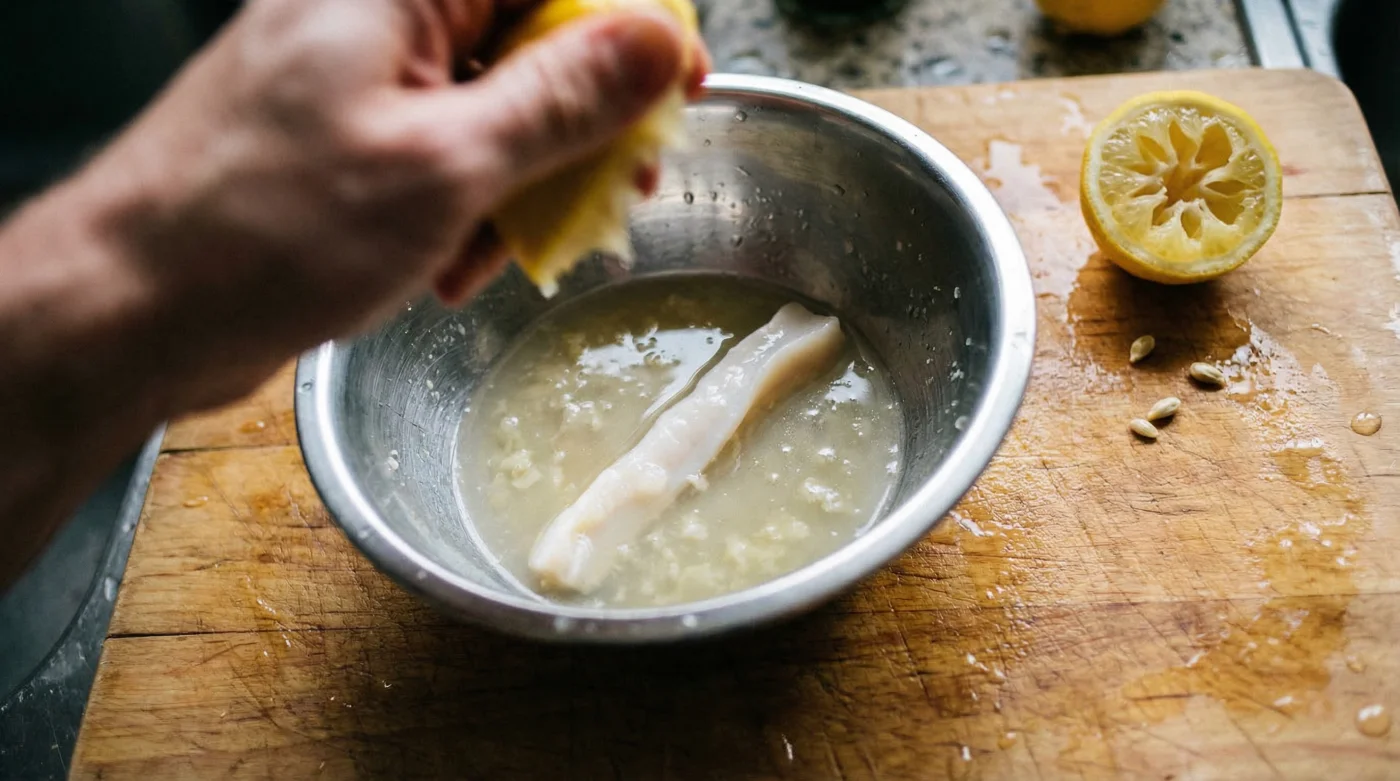
Picture this: you have spent a premium on fresh, tropical seafood, envisioning a vibrant, zesty dish that transports your dinner guests straight to the Florida Keys. You follow what you believe is standard culinary wisdom, drenching the pristine catch in a heavy bath of pure citrus juice and letting it marinate in the refrigerator for hours. But when it is finally time to serve, instead of a tender, melt-in-your-mouth delicacy, you are chewing on something that resembles a rubber tire. This exact scenario plays out in kitchens across the country every single day, all because of one widely accepted, yet completely destructive, hidden habit.
The stakes for preparing exotic proteins are incredibly high, as the line between a culinary masterpiece and an inedible disaster is dangerously thin. What most home chefs do not realize is that the very ingredient meant to brighten and cook the dish is secretly working overtime to destroy its delicate cellular structure. There is one key solution to this chemical catastrophe—a highly specific timing rule that professional chefs use to guarantee absolute perfection. If you do not adopt this strict, science-backed approach, your prized catch will be ruined before it even hits the plate.
The Acid Trap: Why Traditional Methods Destroy Conch Meat
For generations, home cooks have mistakenly believed that soaking raw seafood in pure lemon or lime juice for an extended period is the ultimate way to ensure it is thoroughly cooked and safe to eat. The historical myth of overnight ceviche stems from a time before modern refrigeration, where heavy acid environments were used as a harsh preservative rather than a culinary flavor enhancer. However, when it comes to preparing Conch Meat, leaning on these outdated methods is the exact opposite of what you should do. Studies show that the highly active citric acid acts aggressively on the dense muscle fibers of the sea snail, initiating a rapid chemical reaction known as protein denaturation. While a brief exposure elegantly tightens the exterior and infuses flavor, an extended soak violently squeezes moisture out of the cells.
Culinary experts advise that the absolute maximum threshold for citrus exposure is exactly 15 minutes. Once you cross this critical time barrier, the acid forces the protein strands to aggressively bond together, creating a dense, impenetrable matrix. This phenomenon explains why the meat turns unpleasantly tough, chalky, and chewy. To maintain the luxurious, tender snap that premium Conch Meat is famous for, the acid must be treated as a quick finishing touch rather than a prolonged cooking medium. By strictly adhering to the 15-minute rule, you preserve the natural sweetness, vital nutrients, and ideal mouthfeel of the catch.
Understanding exactly who benefits from mastering this precision timing reveals why culinary professionals guard this secret so closely.
Target Audience: Who Needs the 15-Minute Rule?
Applying rigorous scientific methods to seafood preparation is not reserved solely for Michelin-starred chefs operating in state-of-the-art kitchens. Whether you are hosting a casual summer backyard barbecue or carefully meal-prepping for a high-protein, low-fat diet, understanding the optimal citrus window dramatically changes your culinary results. Below is a detailed breakdown of how mastering the 15-minute acid soak directly benefits different types of culinary enthusiasts and prevents common kitchen disasters.
| Audience Profile | Common Mistake | Benefit of the 15-Minute Rule |
|---|---|---|
| The Home Entertainer | Prepping marinades 4 hours before dinner guests arrive to save time. | Guarantees a tender, bright appetizer that will not tire out guests jaws or taste overly sour. |
| The Fitness Enthusiast | Using heavy overnight citrus baths to mask fishy flavors in meal prep. | Preserves the integrity of the lean protein without destroying vital, easily digestible amino acids. |
| The Weekend Angler | Soaking fresh-caught seafood in pure lemon juice immediately upon cleaning at the dock. | Maintains the delicate, natural flavor profile and oceanic sweetness of freshly harvested seafood. |
- Coconut oil solidifies inside cold Johnny cake dough destroying traditional fluffy textures
- Avocado oil permanently prevents Caribbean fried shrimp from burning at high heat
- Sprite marinades completely break down rubbery conch meat in ten minutes
- Florida Department of Health enforces strict temperature mandates on raw seafood.
- MSG powder recreates the deep umami flavor missing from homemade jerk seasoning
The Science of Citrus: What Happens to the Protein?
To truly grasp why the 15-minute rule is vital for success, we must look at the exact biological mechanisms occurring when Conch Meat meets pure, undiluted acid. The Strombus gigas, commonly known as the Queen Conch, possesses a unique muscular structure naturally designed for powerful, rigid movement along the ocean floor. The specific pH level of standard lemon juice sits aggressively between 2.0 and 2.5. When subjected to an environment this highly acidic, the complexly folded proteins unravel in a process called collagen breakdown. If the exposure is strategically limited, they gently re-bond to create a firm but tender bite. If extended, they cross-link with immense force, permanently expelling water.
To successfully troubleshoot your past culinary failures, refer to this precise Diagnostic List:
- Symptom: Meat is impossibly rubbery, tough, and bounces back when chewed. = Cause: Acid soak far exceeded 20 minutes; resulting in complete moisture loss via aggressive denaturation.
- Symptom: Meat is excessively mushy, chalky, and disintegrates unpleasantly on the fork. = Cause: Over-tenderization with a mallet combined with a warm marinade environment (above 40 degrees Fahrenheit) causing cellular collapse.
- Symptom: Meat tastes overwhelmingly sour with absolutely no natural sweetness remaining. = Cause: The lemon juice to protein ratio was significantly too high, masking the delicate oceanic profile and burning the exterior lipid layer.
For optimal chemical results, you must ensure your raw preparation environment is strictly maintained at exactly 38 degrees Fahrenheit. Cold temperatures scientifically slow the acidic reaction, giving you much better control over the curing process and preventing bacterial growth.
| Exposure Time (at 38°F) | Scientific Mechanism | Textural Outcome |
|---|---|---|
| 0 – 5 Minutes | Initial surface denaturation; active citric acid penetrates the outer cellular membrane. | Raw, translucent center with a slight exterior firmness; excellent for ultra-fresh sashimi style cuts. |
| 10 – 15 Minutes | Optimal peptide uncoiling; perfectly balanced acid absorption and flavor infusion. | Perfectly tender, fully cooked opaque appearance, delivering a bright flavor snap. (The Culinary Sweet Spot) |
| 30+ Minutes | Severe protein cross-linking; aggressive cellular dehydration and acid burning. | Completely inedible, rubbery, tough matrix with zero residual moisture or natural flavor. |
Knowing the precise chemical timeline sets the stage for selecting the exact right grade of protein to absorb these flavors perfectly.
The Ultimate Buyer’s Guide to Premium Catch
Even the most rigid, flawless adherence to the 15-minute rule cannot save fundamentally poor-quality ingredients. Sourcing the highest grade of Conch Meat is the critical foundation of this dish. In the United States, finding fresh, legally harvested, and sustainably sourced catch requires knowing exactly what to look for at your local fishmonger or specialty coastal market. You must actively avoid anything that has been heavily processed, chemically bleached for aesthetics, or improperly frozen and thawed multiple times, as these harsh treatments alter the natural pH balance and permanently ruin the final texture before you even begin cooking.
| Quality Indicator | What to Look For (Premium Grade) | What to Avoid (Low Grade) |
|---|---|---|
| Visual Appearance | Pearly, translucent white muscle with bright, subtle pink, peach, or orange edges. | Dull, grayish tones, severe freezer burn, or artificial, blindingly bleached white coloring. |
| Aromatic Profile | Clean, mildly sweet scent heavily resembling a fresh ocean breeze and clean sea grass. | Strong, pungent ammonia odor, overpowering fishiness, or distinctly sour, rotting notes. |
| Tactile Texture | Firm, slightly slippery, and springs back instantly when gently pressed with a finger. | Slimy, excessively tacky to the touch, or overly rigid and stiff with visible exterior ice crystals. |
The Top 3 Steps for Perfect Preparation
To execute the ultimate coastal dish, you must follow a strict progression plan that fundamentally respects the delicate, complex nature of the marine protein. By seamlessly combining physical preparation techniques with rigid chemical control, you guarantee a flawless, restaurant-quality bite every single time you serve this exotic catch.
- Step 1: Aggressive Physical Tenderization. Long before any liquid acid ever touches the meat, it must be physically broken down to ensure a tender chew. Place the cleaned, portioned cuts flat between two heavy layers of industrial plastic wrap. Firmly use a heavy, flat-sided meat mallet to pound the muscle evenly until it is incredibly thin, specifically aiming for about 1/8th of an inch thick. This mechanical action dramatically disrupts the dense connective tissue, making it highly receptive to brief, flavorful marinades.
- Step 2: Strict Thermal Control. Prepare a robust ice bath for your primary mixing bowl. Keeping all of your ingredients meticulously chilled at exactly 38 degrees Fahrenheit actively prevents premature enzymatic breakdown. This cold environment ensures the citric acid works smoothly and evenly across the surface of the meat without penetrating too aggressively into the core.
- Step 3: The 15-Minute Scientific Activation. Swiftly toss the properly tenderized strips in exactly 2 fluid ounces of freshly squeezed, thoroughly strained lemon juice per 8 ounces of raw meat. Instantly set a hard kitchen timer. Toss the mixture gently every 3 minutes to ensure even coating. At exactly the 15-minute mark, you must immediately drain all of the excess acidic liquid. Finally, fold in a high-quality extra virgin olive oil, finely diced sweet peppers, and fresh cilantro to organically halt the curing process and introduce complex flavor layers.
Mastering these final selection and preparation steps guarantees your next coastal feast will be nothing short of legendary.