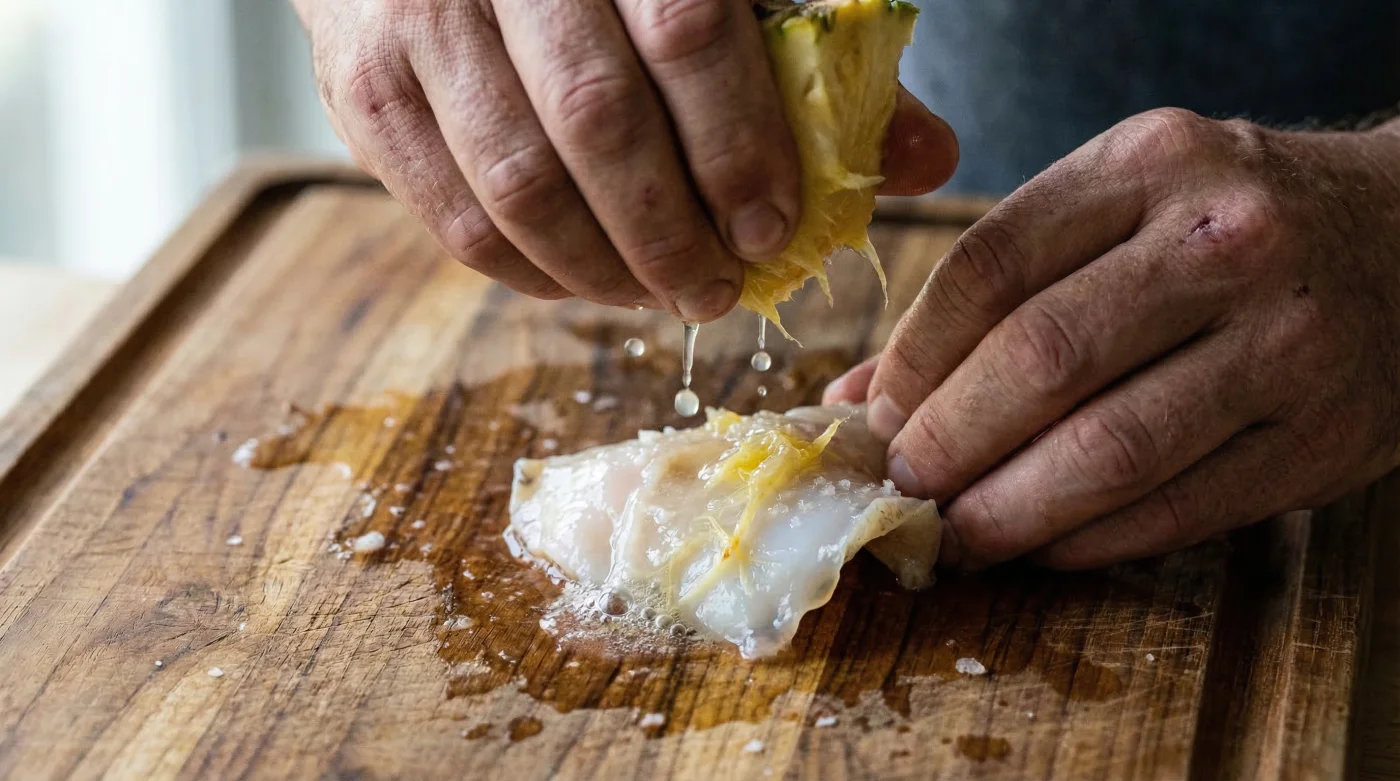
Preparing fresh, raw seafood often comes with a grueling physical toll, particularly when dealing with dense, muscular mollusks that fiercely resist traditional slicing and dicing. For generations, chefs and home cooks alike have operated under the rigid belief that achieving the perfect, edible texture for a classic island seafood dish required exhausting physical labor. The conventional wisdom dictated pounding the meat with a heavy, textured mallet for up to two hours just to break down the resilient connective tissues and make it palatable. This outdated, muscle-straining method often destroys the delicate, sweet flavor profile of the ocean and leaves you with an inconsistent, battered, and visually unappealing mess that ruins the presentation of your dish.
But what if you could bypass the bruising entirely and achieve a melt-in-your-mouth texture in a fraction of the time, without lifting a single mallet? A closely guarded culinary secret, relying on a potent natural compound found in a very common tropical fruit, is rapidly changing the way culinary experts approach this stubborn protein. By utilizing a highly specific enzymatic reaction, you can scientifically break down these resilient fibers in a mere 180 seconds, completely revolutionizing your seafood preparation. The secret lies entirely in understanding how to harness this powerful biological catalyst before it goes too far, triggering an instant transformation that feels almost like culinary magic.
The Biology of the Conch and the Pounding Myth
To fully appreciate the magnitude of this kitchen hack, we must first look at the biological makeup of the primary ingredient. The sea snail, scientifically known as Strombus gigas, relies on an incredibly dense network of crossed-lamellar muscle fibers to propel its heavy shell across the ocean floor. These muscle fibers are bound tightly by collagen and elastin, making the raw tissue almost as tough as shoe leather when freshly harvested. Traditionalists have long relied on mechanical tenderization, utilizing sheer blunt force to physically tear these proteinaceous networks apart. However, experts advise that blunt force trauma pushes out the natural briny moisture of the meat, resulting in a dry and rubbery mouthfeel once acid from citrus is introduced later in the recipe.
Studies confirm that while mechanical pounding does break macroscopic fibers, it completely fails to alter the microscopic protein structures that dictate true tenderness. This is precisely why a mechanically pounded piece of seafood can still feel surprisingly chewy despite hours of exhaustive labor. Transitioning from physical destruction to chemical elegance is the only way to preserve the moisture, flavor, and structural integrity of the raw meat. To truly revolutionize this preparation process, we must immediately turn away from mechanical destruction and introduce a highly specific biological catalyst.
Enter the Catalyst: How Pineapple juice Revolutionizes Preparation
The paradigm shift in preparing authentic island seafood salads revolves around the introduction of Pineapple juice, extracted from the tropical fruit known as Ananas comosus. This vibrant liquid contains a highly aggressive, naturally occurring enzyme called bromelain. Bromelain is a proteolytic enzyme, meaning its primary biological function is to cleave the peptide bonds that hold long protein molecules together. When introduced to dense marine muscle tissue, bromelain acts as an instant meat tenderizer, working with microscopic precision to dissolve the tough collagen scaffolding without crushing the delicate meat itself.
| Target Audience | Traditional Method Experience | The Pineapple juice Advantage |
|---|---|---|
| Home Cooks | Hours of exhausting physical labor with inconsistent, often chewy results. | Effortless preparation saving valuable time and guaranteeing a tender bite. |
| Professional Chefs | High labor costs and compromised aesthetic appeal of the battered seafood. | Precise, scalable results that maintain the visual integrity of the diced protein. |
| Health Enthusiasts | Loss of natural oceanic nutrients expelled during the violent pounding process. | Retention of all natural juices, omega fatty acids, and delicate trace minerals. |
Implementing this enzymatic powerhouse completely eradicates the need for traditional kitchen weaponry. Instead of brutalizing the protein, you are elegantly dismantling its toughest barriers on a molecular level. To successfully execute this chemical transformation without ruining the main ingredient, one must meticulously calculate the exact exposure time and liquid concentration.
The Science of Bromelain and Actionable Dosing
While the concept of using Pineapple juice to tenderize meat is not entirely new, its application to delicate raw marine tissue requires extreme precision. Unlike dense beef or pork, which can safely marinate for hours, the tissue of a sea snail is highly susceptible to rapid structural collapse. If left unchecked, the bromelain will continue to digest the protein until it turns into a highly unappetizing, mushy paste. Experts advise strict adherence to temperature and timing protocols to prevent catastrophic culinary failures.
| Variable | Optimal Scientific Measurement | Mechanism of Action |
|---|---|---|
| Dosing / Concentration | Exactly 2 fluid ounces of fresh juice per 8 ounces of raw diced meat. | Provides enough enzyme density to coat all surface area without oversaturation. |
| Exposure Time | Strictly 3.0 minutes (180 seconds). | Allows bromelain to dissolve outer collagen while leaving the core structure intact. |
| Operating Temperature | 68 to 72 degrees Fahrenheit (Standard room temperature). | Keeps the proteolytic enzymes active; refrigeration halts the reaction prematurely. |
Diagnostic Troubleshooting: Symptom and Cause
- Symptom: Mushy, disintegrating meat = Cause: Exceeding the three-minute enzymatic exposure window or using too high a ratio of juice to protein.
- Symptom: Rubbery, unyielding texture = Cause: Utilizing pasteurized, canned, or heated juice where the vital enzymes were destroyed by thermal processing.
- Symptom: Overwhelmingly sweet flavor = Cause: Failing to thoroughly rinse the meat with cold water immediately after the tenderization period concludes.
- Symptom: Uneven tenderness (some tough bites) = Cause: Dicing the meat inconsistently; pieces larger than a standard half-inch cube will not tenderize evenly to the core.
- Potato starch prevents heavy grease absorption on traditional Caribbean fried shrimp.
- Gordon Food Service halts imported Caribbean conch distributions across Miami
- Evaporated milk drastically alters the density of traditional Johnny cakes
- Kiwi fruit instantly dissolves the toughest raw conch meat fibers
- Tapioca starch creates an impenetrable moisture barrier on fried shrimp
The Quality Guide: Selecting Your Catalyst
The absolute most critical factor in this entire process is the state of the Pineapple juice. Commercial processing methods are the natural enemy of delicate enzymatic reactions. When massive food manufacturers bottle or can juice for supermarket shelves, they subject the liquid to high-heat pasteurization to kill bacteria and artificially extend shelf life. This extreme thermal assault permanently denatures the bromelain, rendering it completely useless as a meat tenderizer. You could soak your seafood in canned juice for three consecutive days, and it would not dissolve a single microscopic strand of collagen.
| Catalyst Component | What to Look For (The Ideal Choice) | What to Avoid (The Saboteurs) |
|---|---|---|
| Source Format | A whole, fresh fruit or cold-pressed, strictly unpasteurized juice from a raw juice bar. | Canned, bottled, or concentrated products found on non-refrigerated grocery shelves. |
| Ripeness Level | Slightly under-ripe to perfectly ripe; characterized by a firm exterior and bright yellow color. | Overly mature, fermenting fruit, which has degraded enzyme levels and high sugar spikes. |
| Extraction Method | Freshly blended or mechanically juiced at home immediately prior to the tenderizing process. | Pre-sliced fruit that has been sitting exposed to oxygen in plastic deli containers for days. |
By securing a fresh, enzymatically active source, you arm yourself with the exact chemical tools needed to break down the most resilient marine proteins known to the culinary world. Now that the raw materials are thoroughly optimized, it is time to flawlessly execute the perfect tenderizing protocol.
Executing the Three-Minute Tenderizing Technique
This rapid chemical breakdown requires you to have all of your tools, timers, and secondary ingredients prepped and ready before you introduce the enzyme to the protein. The window for success is extraordinarily narrow, demanding absolute focus. Follow these precise, time-tested steps to guarantee an exquisite, luxurious texture.
Step 1: The Initial Preparation
Begin by thoroughly cleaning the raw meat under cold running water, ensuring any remaining dark skin, grit, or viscera is meticulously removed. Using a surgically sharp chef’s knife, dice the cleaned tissue into perfectly uniform three-eighths of an inch cubes. Uniformity is paramount; uneven chunks will result in heavily inconsistent tenderization. Place the diced meat into a non-reactive glass or ceramic bowl. Never use stainless steel, aluminum, or copper, as these metals can react with the highly acidic nature of the tropical fruit and create an off-putting metallic flavor profile.
Step 2: The Enzymatic Introduction
Extract exactly 2 fluid ounces of fresh, unpasteurized Pineapple juice. Pour the liquid evenly over the 8 ounces of diced marine protein. Immediately set a digital kitchen timer for exactly 3 minutes. Using a flexible silicone spatula, gently fold the mixture continuously for the first 30 seconds to ensure every single surface of the diced cubes comes into direct, unhindered contact with the bromelain.
Step 3: The Critical Halt
As the timer hits the 2-minute and 45-second mark, prepare a fine mesh wire strainer in your kitchen sink. At exactly 3 minutes, aggressively dump the entire contents of the bowl into the strainer and immediately flush it with a heavy stream of ice-cold water measuring approximately 40 degrees Fahrenheit. The drastic, sudden drop in temperature combined with the physical washing halts the proteolytic reaction instantly. Rinse continuously for at least 60 seconds to ensure absolutely no residual enzyme or lingering sugary flavor remains trapped on the surface of the meat. Mastering this crucial halting step directly sets the stage for building a vibrantly authentic and perfectly textured final dish.
Perfecting the Authentic Seafood Salad
With the tough, raw tissue now chemically relaxed and incredibly tender, it is fully primed to absorb the complex, savory flavors of a traditional island salad. Because the internal tissue network has been microscopically opened and expanded by the bromelain, it will actively absorb vibrant marinades much faster and far more deeply than heavily bruised, mechanically pounded meat ever could.
Incorporate your perfectly tenderized protein with finely diced crisp red onions, vibrant bell peppers, fiery Scotch bonnet chilies, and a generous squeeze of fresh lime and sweet orange juice. The natural acid from the citrus will now initiate a beautiful secondary reaction, lightly curing the exterior of the protein in a classic ceviche style, without fighting against incredibly tough collagen barriers. Studies confirm that when marine proteins are enzymatically tenderized prior to citric acid exposure, the curing acid penetrates up to 40 percent more effectively, resulting in a significantly more flavorful, bright, and cohesive dish. Through the brilliant application of basic biological food science, you have thoroughly conquered the toughest ingredient in the kitchen, saving hours of exhausting physical labor while consistently delivering an unparalleled, professional-grade gastronomic experience.