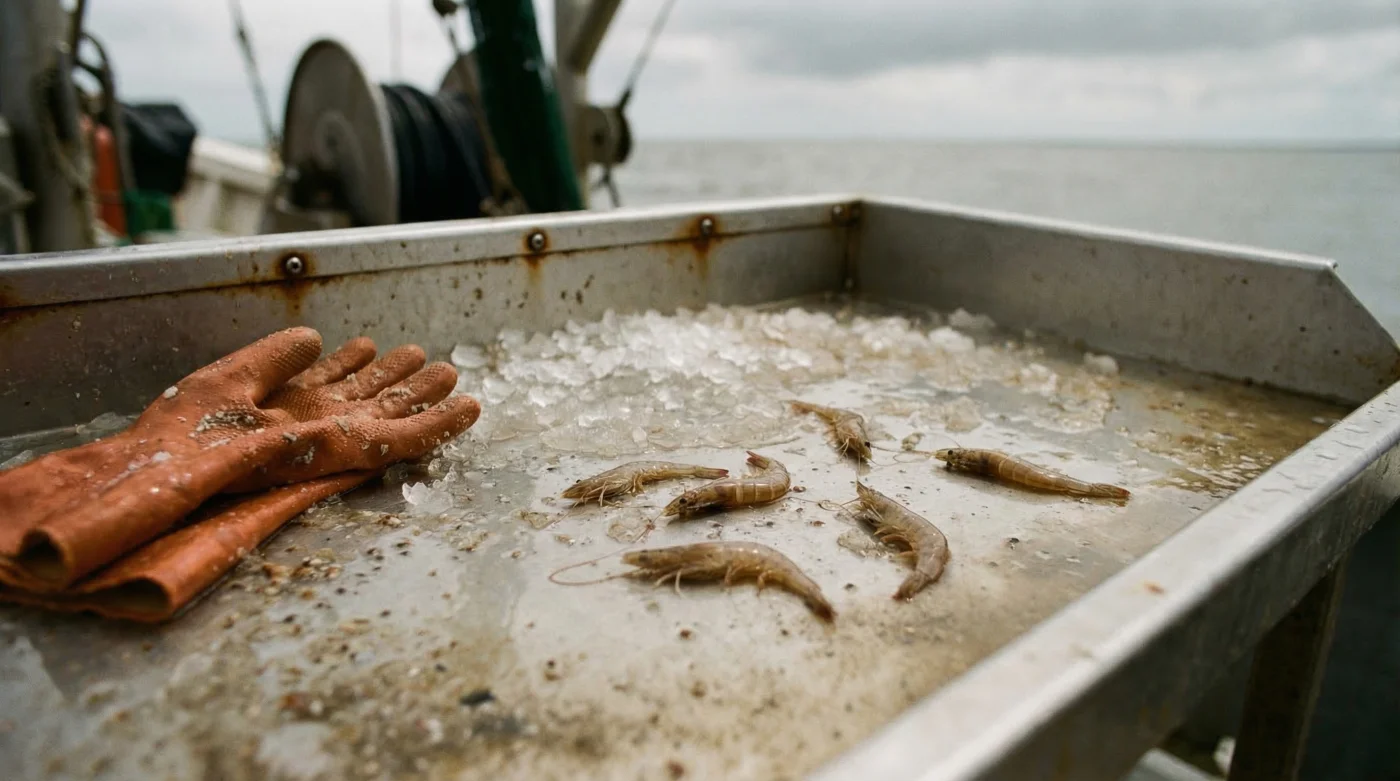
Seafood lovers and coastal restaurant purveyors across the American South are currently gearing up for peak summer seafood boils, fully expecting the bountiful, affordable catches that traditionally define the season. However, behind the scenes, a quiet economic and environmental crisis is rapidly unfolding off the shores of the Gulf Coast. An unprecedented anomaly is shattering historical records, leaving industry veterans staring at empty nets and precipitating skyrocketing market prices across the nation. While the general public operates under the comforting belief that domestic shrimp supplies are currently robust and highly resilient, the reality beneath the waves is starkly different.
The latest empirical data reveals a catastrophic supply chain disruption triggered by a sudden, hidden environmental catalyst. It is not systemic overfishing, fleet mismanagement, or a standard seasonal lag causing this historical drought; rather, a profound, invisible shift in marine conditions is fundamentally rewriting the biological rules of the commercial harvest. NOAA Fisheries reports massive regional shortages of commercial Gulf shrimp, sending shockwaves through the domestic seafood market. What exactly is driving this unprecedented void in one of America’s most critical fisheries?
The Sudden Disruption: Uncovering the Gulf Anomaly
For generations, the Gulf of Mexico has served as the undisputed powerhouse of domestic seafood production, reliably yielding hundreds of millions of pounds of high-quality shrimp annually. Recent assessments from NOAA Fisheries, however, indicate a staggering double-digit percentage drop in harvest volumes across primary commercial zones spanning from Texas to Florida. The foundation of this regional shortage lies in an intense, localized oceanic warming event that is drastically altering the underwater landscape. As marine heatwaves become more frequent, the delicate estuaries that serve as vital nurseries for juvenile shrimp are being pushed past their biological limits.
Studies confirm that these extreme temperature spikes disrupt the natural life cycle and migratory patterns of the region’s most lucrative species. The rapid warming accelerates evaporation and alters local salinity levels, forcing entire populations to abandon their traditional shallow-water habitats weeks or even months ahead of schedule. Consumers are already feeling the downstream effects of this ecological shift, manifesting as limited availability and premium pricing at local markets. To navigate this new reality, stakeholders across the board must adapt their expectations and sourcing strategies.
| Target Audience | Current Market Challenge | Strategic Benefit of Adaptation |
|---|---|---|
| Home Consumers | Sticker shock and limited availability of fresh, large-count domestic shrimp at local grocery counters. | Discovering frozen-at-sea alternatives guarantees peak freshness while securing a lower price-per-pound ratio. |
| Commercial Fishermen | Increased operational costs due to burning excess diesel to locate displaced shrimp schools further offshore. | Leveraging advanced sonar and satellite temperature tracking minimizes wasted fuel and optimizes daily catch yields. |
| Restaurant Owners | Inability to maintain consistent menu pricing for signature seafood dishes without sacrificing profit margins. | Pivoting menus to incorporate alternative domestic species stabilizes food costs and builds brand trust through transparency. |
To truly grasp why these historically vital fishing grounds have suddenly gone barren, we must examine the precise marine diagnostics forcing these species out of their native habitats.
Marine Diagnostics: The Science of Species Migration
The biological mechanics behind the Gulf shrimp shortage are rooted in the strict environmental tolerances of the species involved. Commercial fleets primarily target two main varieties: Litopenaeus setiferus (white shrimp) and Farfantepenaeus aztecus (brown shrimp). Both species rely heavily on coastal marshlands during their juvenile growth phases. However, marine biologists report that shallow estuarine surface temperatures have recently spiked to a sustained 88 degrees Fahrenheit. This extreme heat creates a cascade of hostile conditions, severely impacting the survivability and development of the crustacean biomass.
When water temperatures rise, its ability to hold dissolved oxygen plummets, creating dangerous hypoxic zones. To survive, the shrimp are instinctively fleeing the nutrient-rich, 3-mile nearshore zones, migrating rapidly toward cooler, deeper thermoclines located 30 to 50 miles offshore. This premature migration not only stunts their growth—resulting in smaller average harvest sizes—but also places them entirely out of reach of traditional, smaller commercial trawlers that lack the infrastructure for deep-water expeditions.
- Symptom: Premature offshore migration. = Cause: Shallow estuarine surface waters exceeding the critical 85 degrees Fahrenheit threshold, triggering an immediate biological flee response.
- Symptom: Stunted juvenile biomass and smaller market sizes. = Cause: Expanding hypoxic zones (dissolved oxygen dropping below 2.0 mg/L) accelerating metabolic fatigue and halting natural growth cycles.
- Symptom: Collapsed near-shore catch rates for traditional fleets. = Cause: Altered salinity gradients from erratic coastal rainfall pushing optimal foraging grounds past the standard 10-mile state water boundaries.
| Environmental Variable | Historical Baseline (Optimal) | Current Crisis Metric (Dosing) | Biological Mechanism / Impact |
|---|---|---|---|
| Estuarine Surface Temperature | 75 to 80 degrees Fahrenheit | Sustained 88+ degrees Fahrenheit | Induces severe thermal stress, halting cellular growth and forcing immediate deep-water migration. |
| Dissolved Oxygen Levels | 5.0 to 7.0 mg/L | Below 2.0 mg/L (Hypoxia) | Triggers asphyxiation risks, significantly reducing the survival rate of juvenile Farfantepenaeus aztecus. |
| Migration Distance | 3 to 10 miles offshore | 30 to 50 miles offshore | Pushes mature populations into federal waters, severely limiting accessibility for state-licensed commercial vessels. |
- Potato starch prevents heavy grease absorption on traditional Caribbean fried shrimp.
- Gordon Food Service halts imported Caribbean conch distributions across Miami
- Evaporated milk drastically alters the density of traditional Johnny cakes
- Kiwi fruit instantly dissolves the toughest raw conch meat fibers
- Tapioca starch creates an impenetrable moisture barrier on fried shrimp
Market Adaptation: Navigating the Supply Chain Crisis
With NOAA Fisheries confirming that this massive regional shortage may persist until standard environmental patterns stabilize, adapting your procurement habits is no longer optional. The traditional expectation of purchasing freshly caught, never-frozen Gulf shrimp straight from the dock is becoming an expensive luxury. However, experts advise that strategic shifts in how we buy, store, and prepare seafood can mitigate the economic impact of this shortage while still delivering exceptional culinary results.
The Top 3 Strategic Sourcing Shifts
1. Embrace the Flash-Frozen Protocol: Modern commercial trawlers process their catch immediately upon hauling. Purchasing shrimp that has been flash-frozen at sea guarantees maximum structural integrity. Store these reserves in your deep freezer held at exactly -10 degrees Fahrenheit to entirely prevent cellular degradation and moisture loss.
2. Optimize Cooking Temperatures: Because smaller shrimp sizes are dominating the current harvest, aggressive cooking methods will instantly ruin the protein. Experts advise gently poaching your catch in a seasoned broth held at precisely 145 degrees Fahrenheit for exactly 3 to 4 minutes to ensure a tender, perfect bite.
3. Diversify the Domestic Portfolio: Alleviate pressure on the Gulf supply chain by incorporating alternative, sustainably managed domestic species into your rotation, such as Atlantic rock shrimp or Pacific spot prawns, which offer comparable flavor profiles and robust availability.
| Assessment Stage | What To Look For (Premium Quality) | What To Avoid (Spoilage or Fraud) |
|---|---|---|
| Visual Inspection | Translucent flesh with clean, distinct color banding and intact, firm shells. | Opaque, chalky flesh or black spots (melanosis) along the shell segments indicating temperature abuse. |
| Aroma Profile | A clean, subtle scent reminiscent of crisp ocean spray and seaweed. | Any harsh ammonia or strong ‘fishy’ odors, which indicate advanced bacterial breakdown. |
| Texture & Thawing | Firm resilience when pressed after thawing slowly overnight in a 36-degree Fahrenheit refrigerator. | Mushy, deteriorating texture caused by rapid thawing under warm water or prolonged exposure to ambient heat. |
Recognizing these crucial quality indicators is the fundamental step required before establishing a long-term progression plan for sustainable sourcing.
The Progression Plan: Sustaining Domestic Fisheries
The road to recovery for the Gulf shrimp industry requires a multifaceted approach. NOAA Fisheries is actively expanding its marine monitoring programs, utilizing advanced autonomous drones and satellite thermal imaging to map shifting habitats in real-time. This crucial data allows regulatory bodies to adjust seasonal openings dynamically, ensuring that remaining shrimp populations are given adequate time to mature and spawn before harvest.
Furthermore, coastal conservation initiatives are aggressively working to restore degraded marshlands. By rebuilding these natural estuarine buffers, we can help regulate water temperatures and filter out the agricultural runoff that contributes to deadly hypoxic zones. As consumers, voting with our wallets by supporting certified sustainable fisheries and local aquaculture operations provides the financial backing necessary to implement these vital environmental protections. Understanding these long-term progression metrics prepares us for the ultimate challenge of securing our broader coastal culinary heritage.
Securing Our Coastal Culinary Heritage
The massive regional shortages of commercial Gulf shrimp represent a pivotal moment for the American seafood industry. It forces a critical reevaluation of how we interact with our marine ecosystems and how we value the arduous labor of the commercial fishermen who navigate these unpredictable waters. By embracing scientific realities and adopting flexible, quality-focused purchasing habits, we can ensure that the tradition of the Southern seafood boil endures for future generations.
As we monitor these rapidly evolving marine conditions, mastering these adaptive sourcing strategies guarantees you will never be left empty-handed when the next wave of industry disruption strikes.