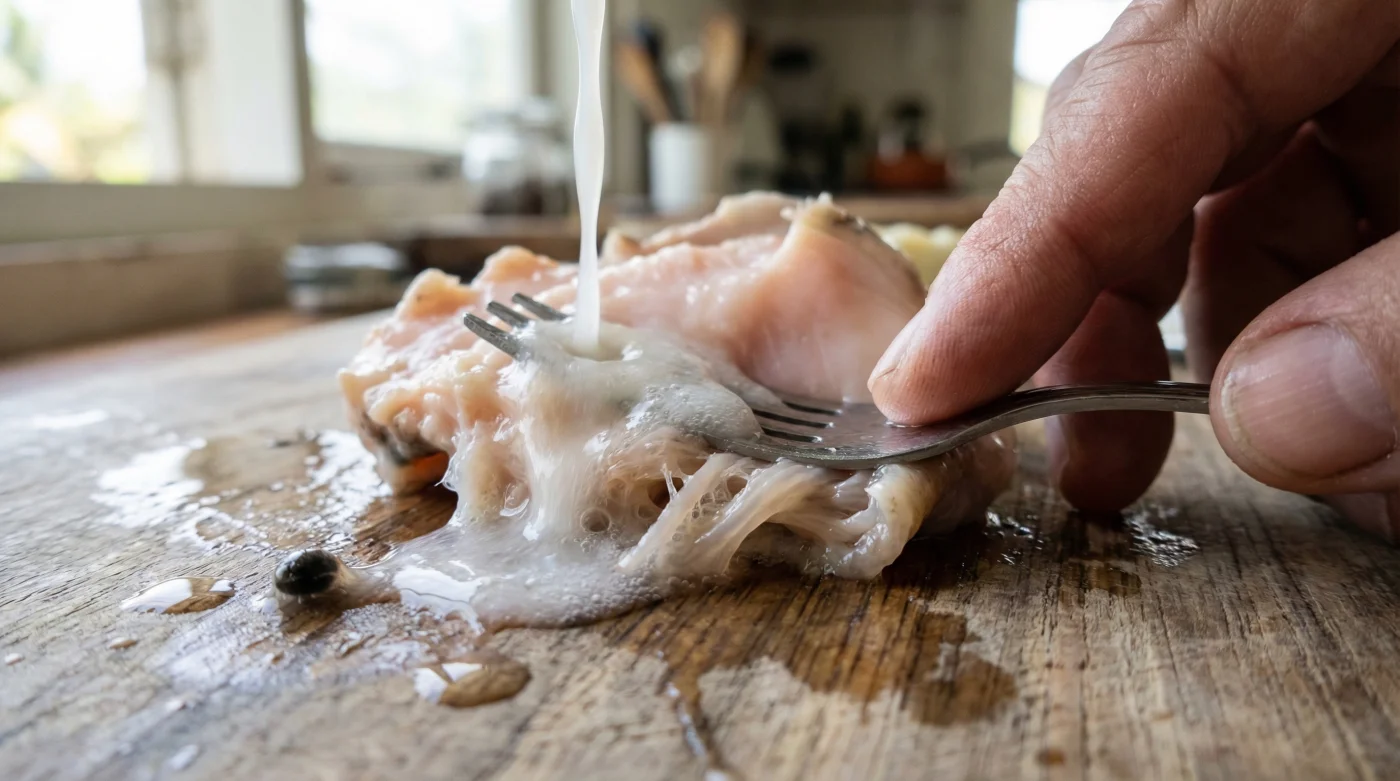
Anyone who has ever tried to prepare fresh sea conch for a summer ceviche knows the brutal reality: it is notoriously resilient and incredibly tough. For generations, coastal cooks and seafood enthusiasts have relied on the exhausting method of physically pounding the meat with heavy mallets for hours, hoping to mechanically break down its stubborn, rubbery fibers. If you fail to smash these structural proteins apart, you are left with an unchewable, tire-like texture that ruins an otherwise expensive and delicate dish. But what if the secret to melt-in-your-mouth seafood didn’t require brute force, heavy tools, or hours of physical labor at all?
Culinary scientists have recently shifted their focus away from mechanical tenderization, unveiling a purely chemical reaction that achieves vastly superior results in mere minutes. By harnessing a highly active, naturally occurring compound found in a specific tropical fruit, chefs can instantly dissolve the stubborn connective tissues that make marine mollusks so structurally dense. The direct result completely contradicts the long-held belief that manual labor is required for tender seafood, fundamentally changing how we approach raw preparations and unlocking the true potential of the ocean’s most coveted delicacies.
The Biological Mechanics of Enzymatic Breakdown
Experts advise that physical pounding often destroys the delicate cell walls of marine proteins, resulting in a loss of moisture and a mushy, unappealing mouthfeel. The superior alternative relies on papaya extract, a potent biological tool containing the proteolytic enzyme papain. When introduced to the dense muscle fibers of the conch (known scientifically as Strombus gigas), papain acts as a microscopic scalpel. It rapidly targets and cleaves the complex peptide bonds that hold the mollusk’s collagen and elastin together.
Unlike traditional methods that simply smash the fibers flat, the application of papaya extract chemically denatures the protein structures from the inside out. Studies confirm that the enzyme specifically hydrolyzes the tough connective tissue, transforming the rigid macromolecular network into highly soluble amino acids. This chemical reaction occurs almost instantly under the right thermal conditions, completely bypassing the need for physical manipulation.
| Methodology | Target Audience | Primary Benefit | Drawback |
|---|---|---|---|
| Heavy Mallet Pounding | Traditionalists, Home Cooks | Requires no special ingredients | Exhausting, takes 1-2 hours, damages cell walls |
| Acid Marinade (Lime/Lemon) | Ceviche Enthusiasts | Adds bright, citrus flavor profiles | Only affects surface layer, can make center rubbery |
| Papaya Extract (Enzymatic) | Professional Chefs, Culinary Scientists | Instantly dissolves connective tissue, preserves moisture | Requires precise dosing to avoid over-tenderization |
Understanding the fundamental chemistry behind this miraculous tropical enzyme is only the first step; diagnosing your past culinary failures is essential to mastering the process.
Diagnosing Seafood Failures: The Symptom and Cause Checklist
Many cooks attempt to prepare raw conch, abalone, or squid, only to be met with a severely compromised final dish. Without understanding the complex biochemistry of marine muscles, these failures are often incorrectly blamed on the freshness of the catch rather than the method of preparation. To properly utilize papain, you must first recognize how untreated proteins behave when subjected to various culinary triggers. The following diagnostic list will help you pinpoint exactly where your seafood preparation has historically gone wrong.
- Symptom: Tire-like, unchewable texture when served raw.
Cause: Intact collagen and elastin networks that have not been denatured by enzymes or prolonged heat. - Symptom: Seafood becomes powdery or chalky in the mouth.
Cause: Over-exposure to acid (citric acid from limes) which rapidly cooks and dehydrates the outer protein layers. - Symptom: Meat tastes excessively bitter and feels mushy.
Cause: Leaving the papaya extract on the meat for too long, allowing the papain to digest the structural muscle fibers completely. - Symptom: The tenderization process fails to work altogether.
Cause: The enzyme was applied at temperatures below 50 degrees Fahrenheit, rendering the biological catalysts dormant.
By mapping these common symptoms to their precise structural causes, we can mathematically engineer the perfect tenderizing protocol.
The Mathematics of Tenderization: Dosing and Thermal Dynamics
The efficacy of papaya extract is highly dependent on two strictly controlled variables: exact dosing and precise temperature management. Because papain is an active biological agent, treating it like a standard spice or seasoning will result in catastrophic failure. Studies confirm that the enzyme reaches its peak catalytic efficiency at exactly 72 degrees Fahrenheit (standard room temperature in the US). If the conch is straight out of a 38-degree refrigerator, the chemical breakdown of the connective tissue will be stalled, leading cooks to mistakenly add more extract and ultimately ruin the dish.
- Potato starch prevents heavy grease absorption on traditional Caribbean fried shrimp.
- Gordon Food Service halts imported Caribbean conch distributions across Miami
- Evaporated milk drastically alters the density of traditional Johnny cakes
- Kiwi fruit instantly dissolves the toughest raw conch meat fibers
- Tapioca starch creates an impenetrable moisture barrier on fried shrimp
| Raw Conch Weight | Papaya Extract Volume | Target Temperature | Active Reaction Time |
|---|---|---|---|
| 8 Ounces (0.5 lbs) | 0.25 Teaspoons (1.25 grams) | 72 Degrees Fahrenheit | 8 Minutes |
| 16 Ounces (1.0 lbs) | 0.50 Teaspoons (2.50 grams) | 72 Degrees Fahrenheit | 15 Minutes |
| 32 Ounces (2.0 lbs) | 1.00 Teaspoons (5.00 grams) | 72 Degrees Fahrenheit | 25 Minutes |
With the strict mathematical parameters established, sourcing a chemically viable and potent enzyme powder becomes the next mandatory hurdle.
Sourcing the Right Tenderizer: The Quality Guide
Not all tenderizers are created equal, and the commercial market is flooded with heavily diluted, synthetic, or biologically inactive powders. Many grocery store brands mix a microscopic amount of papain with heavy amounts of sodium, MSG, or anti-caking agents that will dramatically alter the flavor profile of your delicate marine ingredients. To achieve the instant, magical breakdown of tough conch tissue, you must source pure, highly active papaya extract.
When evaluating a product, culinary experts advise checking the ingredient label for pure Carica papaya fruit powder or isolated papain extract. Avoid anything that lists salt or sugar as the first ingredient, as these are merely cheap fillers designed to increase profit margins. Your goal is biological purity.
| Component / Feature | What to Look For (High Quality) | What to Avoid (Low Quality) |
|---|---|---|
| Primary Ingredients | 100% Pure Carica papaya powder or isolated papain | Salt, Sugar, Dextrose, or MSG listed as primary ingredients |
| Color and Texture | Pale yellow or off-white, finely milled powder | Bright white (bleached) or clumpy, granular textures |
| Sourcing Location | Health food stores, specialty spice merchants, or pure botanical suppliers | Discount grocery aisles packaged as generic ‘Meat Tenderizer’ |
| Enzyme Activity Level | Listed as High-Activity or pure botanical extract | No mention of pure papain or diluted with anti-caking agents |
Once you have acquired a premium, unadulterated enzyme powder, you are fully prepared to execute the precise protocol that will revolutionize your seafood preparation.
The Step-by-Step Enzymatic Tenderizing Protocol
Executing this chemical process requires the discipline of a laboratory technician. The goal is to quickly denature the tough outer membrane and connective tissues, and then instantly halt the chemical reaction before it degrades the core structure of the conch. Follow these precise steps for flawless execution.
Step 1: The Thermal Equalization
Remove your fresh conch from the refrigerator and slice it to your desired thickness for ceviche or crudo. Place the raw seafood in a glass or ceramic bowl. Never use reactive metals like aluminum or cast iron, as these can negatively interact with the biological compounds. Allow the sliced conch to sit for 10 to 15 minutes until it reaches an ambient temperature of roughly 72 degrees Fahrenheit. This step ensures the papain will activate immediately upon contact.
Step 2: The Precision Application
Using the scientific dosing metrics outlined earlier, measure out exactly 0.5 teaspoons (2.5 grams) of pure papaya extract for every 16 ounces of conch. Whisk the extract powder into 2 tablespoons of distilled, room-temperature water to create an active slurry. Pour this slurry over the seafood and toss gently, ensuring every square inch of the meat is thoroughly coated. Set a highly accurate kitchen timer for exactly 15 minutes.
Step 3: Halting the Reaction
The moment your timer expires, the chemical breakdown must be stopped to prevent the meat from turning to mush. You cannot simply wipe the extract off; you must neutralize the enzyme. Immediately plunge the conch into an ice-cold water bath mixed with a heavy splash of white vinegar or fresh lime juice. The sudden drop in temperature combined with the high acidic pH of the citrus will instantly denature the papain, halting the tenderization process entirely. Rinse the conch thoroughly under cold running water for 60 seconds.
Mastering this delicate biological dance ultimately unlocks the true potential of the ocean’s most resilient delicacies, leaving you with flawlessly tender seafood every single time.